











01
SLA-secured spare logistics
Coordinate the movement of critical parts against agreed service levels, locations and delivery requirements.
Global spare parts management
From stocking and identification to dispatch, replacement and RMA handling, we keep the spare parts lifecycle visible and ready for action.
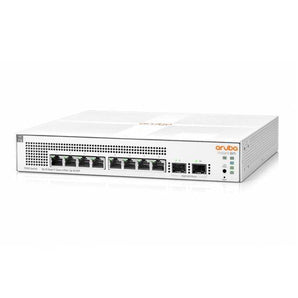
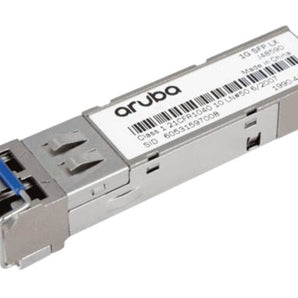
Critical part numbers and quantities
Stocking locations and service levels
Replacement, reporting and RMA path
End-to-end spare parts coverage
DDG supports the storage, management and replacement of spare parts across the full lifecycle, helping reduce avoidable network downtime.
Coordinate the movement of critical parts against agreed service levels, locations and delivery requirements.
Coordinate the movement of critical parts against agreed service levels, locations and delivery requirements.
Coordinate the movement of critical parts against agreed service levels, locations and delivery requirements.
Coordinate the movement of critical parts against agreed service levels, locations and delivery requirements.
Coordinate the movement of critical parts against agreed service levels, locations and delivery requirements.
Coordinate the movement of critical parts against agreed service levels, locations and delivery requirements.
A repeatable availability loop
A repeatable operating loop connects demand signals, inventory positioning, dispatch and return handling so every replacement is easier to coordinate.
Define the risk
Identify installed equipment, failure impact, part numbers, quantities and locations that need a reliable response.
Define the risk
Identify installed equipment, failure impact, part numbers, quantities and locations that need a reliable response.
Define the risk
Identify installed equipment, failure impact, part numbers, quantities and locations that need a reliable response.
Define the risk
Identify installed equipment, failure impact, part numbers, quantities and locations that need a reliable response.
Useful starting point: Share the installed base, critical part list, service locations, target response times and known failure patterns so the stocking model can be focused from the start.
Operational control
Local stock, regional coverage, performance reporting and RMA discipline work together to keep the spare parts network useful, measurable and ready.
Position stock through local warehouses and regional hubs to support the right response for each service location.
Position stock through local warehouses and regional hubs to support the right response for each service location.
Position stock through local warehouses and regional hubs to support the right response for each service location.
Position stock through local warehouses and regional hubs to support the right response for each service location.
Clear service evidence
Receive the information and control points needed to see what is available, what is moving and what needs attention next.
See critical stock, allocated parts, movement status and exceptions in a clearer operating view.
See critical stock, allocated parts, movement status and exceptions in a clearer operating view.
See critical stock, allocated parts, movement status and exceptions in a clearer operating view.
See critical stock, allocated parts, movement status and exceptions in a clearer operating view.
Frequently asked questions
A few practical answers for network operators, enterprise teams and service owners.
Yes. The stocking model can be shaped around service locations, agreed response targets, demand patterns and the available local or regional network.
Yes. The stocking model can be shaped around service locations, agreed response targets, demand patterns and the available local or regional network.
Yes. The stocking model can be shaped around service locations, agreed response targets, demand patterns and the available local or regional network.
Protect service continuity
Tell us where the risk sits. We will help shape a clear, scalable spare parts management plan.

Your cart is currently empty.
Start Shopping